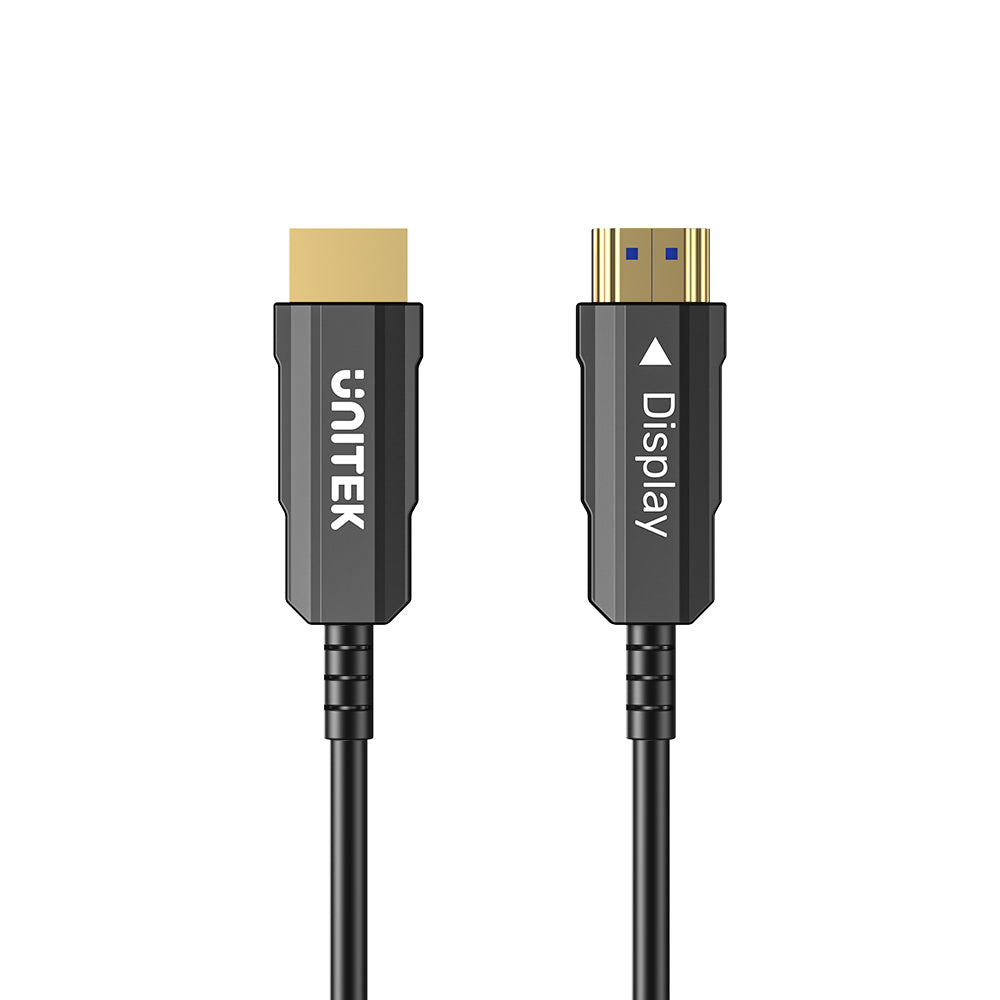
What Makes HDMI Cables Essential for Modern Entertainment Systems?
In today's digital age, HDMI cables play a crucial role in connecting various entertainment devices, providing a seamless experience to users. These cables are designed to transmit high-definition video and audio signals between devices such as TVs, gaming consoles, and Blu-ray players. One of the key reasons why HDMI cables are essential for modern entertainment systems is their ability to deliver superior quality content, ensuring that viewers enjoy vibrant colors and crisp sounds without degradation. High-Definition Multimedia Interface technology supports various resolutions, including 4K and even 8K, making it the ideal choice for anyone wanting to maximize their viewing experience.
Moreover, HDMI cables offer added convenience through their compatibility with multiple formats, including 3D content and audio return channel (ARC). This versatility allows users to connect numerous devices effortlessly, simplifying their setup without the clutter of multiple cables. Additionally, the fact that HDMI cables can transmit both video and audio signals through a single cable makes them an excellent choice for reducing cable management issues. Overall, investing in high-quality HDMI cables ensures that you not only enhance your entertainment experience but also future-proof your system against evolving technology.
Counter-Strike is a popular first-person shooter game that has captivated gamers since its initial release in 1999. It features team-based gameplay, where players can choose to fight as terrorists or counter-terrorists. Along with its thrilling gameplay, players often enjoy various accessories for their gaming setup, including the Top 10 apple tv accessories to enhance their overall experience.
Understanding HDMI Cable Types: Which One is Right for You?
When it comes to selecting the right HDMI cable, understanding the different types available is essential. HDMI cables have evolved over the years, with several standards available to cater to various audio and video needs. The most common types include Standard HDMI, High-Speed HDMI, Ultra High-Speed HDMI, and Mini HDMI. Each type has its unique specifications and is designed for specific use cases. For instance, Standard HDMI is suitable for most display devices, while Ultra High-Speed HDMI supports 8K video and higher bandwidths, making it ideal for those who want the best quality for their home theater setups.
To determine which HDMI cable type is right for you, consider your devices and their compatibility. If you're connecting a modern gaming console or a 4K TV, opting for a High-Speed HDMI cable or better is advisable to ensure you can take full advantage of your device's capabilities. Additionally, factors such as cable length and build quality can affect performance. When in doubt, check the manufacturer's specifications or consult with a professional to make an informed decision. In summary, understanding the various HDMI cable types will help you choose the best option for your entertainment needs, ensuring optimal performance.
Common HDMI Cable Issues and How to Troubleshoot Them
HDMI cables are essential for high-definition audio and video transmission, but they can encounter several common issues. One significant problem is a poor connection between the HDMI cable and the ports, which can result in a blank screen or distorted images. To troubleshoot this, first, ensure that both ends of the HDMI cable are securely connected. If the problem persists, consider using a different HDMI cable or testing the original cable on another device. Additionally, check for any visible damage or loose connections on the HDMI ports themselves.
Another prevalent issue is compatibility between devices. Sometimes, an HDMI cable may not work properly due to differences in HDMI standards between devices. To resolve this, make sure that both devices (such as a TV and a Blu-ray player) support the same HDMI version. If you're using a splitter or switch, verify that it’s capable of handling the resolution and refresh rate of your source device. Finally, if you experience audio issues, check the audio settings on both devices and ensure that the correct HDMI output is selected. By following these troubleshooting steps, you can quickly identify and resolve most HDMI cable issues.