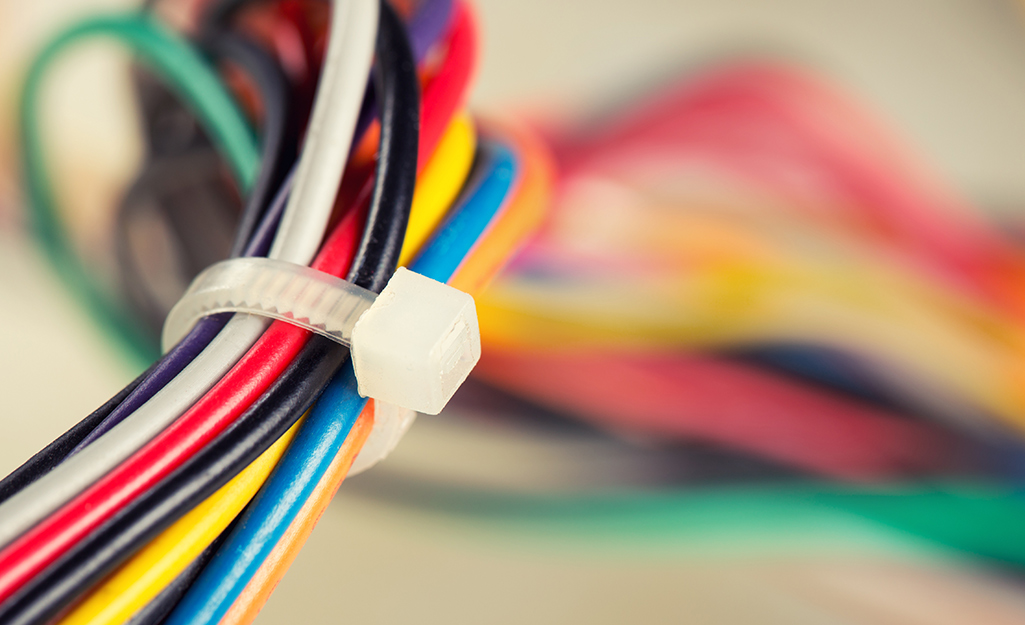
The Evolution of Cables: How They Shape Our Digital Lives
The evolution of cables has played a pivotal role in shaping our digital lives, enabling seamless communication and connectivity. From the early days of simple wire connections to the sophisticated fiber optic cables that power the internet, the transformation has been remarkable. Initially, electrical wires carried analog signals, allowing basic communication between devices. Over time, advancements in technology led to the development of coaxial and twisted-pair cables, which improved data transmission capacity and speed, paving the way for the digital age.
Today, the significance of cables extends beyond mere connectivity; they are the backbone of our digital infrastructure. For instance, fiber optic cables transmit data at lightning speeds, allowing for high-definition streaming and real-time online interactions. Additionally, the integration of wireless technologies has not diminished the importance of cables; rather, it has led to a hybrid approach where cables and wireless networks work in tandem to provide reliable connectivity. As we continue to innovate, the future of cables will undoubtedly shape how we experience and interact with the digital world.
Counter-Strike is a highly competitive first-person shooter game that pits teams of terrorists against counter-terrorists in a series of objective-based missions. Players engage in strategic gameplay, honing their skills in tactics and teamwork to secure victory. To enhance your gaming experience, consider checking out the Top 10 usb c accessories that can improve your setup and performance.
Exploring the Different Types of Cables: Which One Do You Need?
When considering the various types of cables available in the market, it’s crucial to understand their specific functions and uses. Electrical cables are mainly classified into different categories based on their applications. For instance, power cables are designed to carry electricity from one point to another, while data cables, such as Ethernet and USB cables, are used for transmitting information between devices. To make an informed choice, it's essential to know what you need the cable for, whether it's for home entertainment, networking, or power supply.
Among the most common types of cables, we can consider:
- HDMI cables - ideal for connecting audio and video devices.
- Coaxial cables - commonly used for TV connections.
- Fiber optic cables - perfect for high-speed internet.
- USB cables - versatile for charging and data transfer.
Understanding these options can greatly impact your setup. Feel free to assess your needs and preferences to determine which cable will serve you best.
How Cables Transmit Data: Demystifying Connectivity in Our Daily Lives
In our increasingly interconnected world, understanding how cables transmit data is vital to appreciating the technology that underpins our daily lives. Cables serve as the backbone of communication networks, facilitating the transfer of data between devices. At the core of this transmission process lies the concept of electrical signals, which travel through various types of cables, such as copper and fiber optic. While copper cables use electrical impulses to convey data, fiber optic cables utilize light pulses, offering higher speeds and greater bandwidth. This diversity in cable technology ensures that whether you're streaming videos, making calls, or browsing the internet, the data reaches you efficiently and effectively.
The impact of data transmission through cables extends far beyond personal use; it is also crucial for industries, businesses, and government operations. Data must be transferred accurately and at high speeds to support automated systems and cloud computing, which rely on robust connectivity. For a clearer understanding, consider the different applications of cables:
- Home networking (e.g., routers and modems)
- Telecommunications (e.g., phone lines)
- Data centers (e.g., linking servers)