The Future of Energy: How Wireless Charging is Revolutionizing Our Gadgets
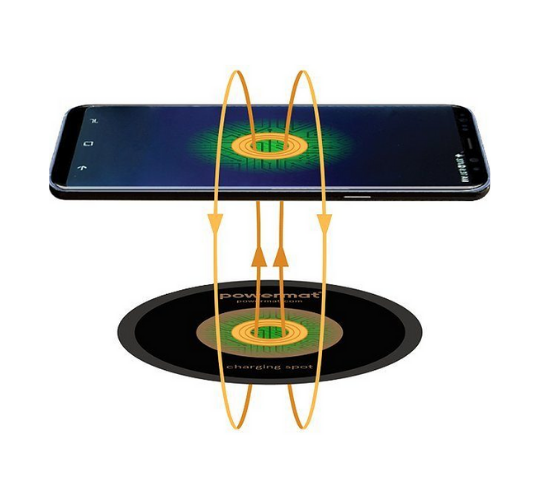
The future of energy is rapidly evolving, with wireless charging emerging as a pivotal technology that is set to transform how we power our gadgets. As the demand for portable devices continues to rise, the need for efficient and convenient charging solutions becomes paramount. Wireless charging utilizes electromagnetic fields to transfer energy between two objects, eliminating the need for traditional charging cables. This innovation not only streamlines our daily routines but also paves the way for a more sustainable energy landscape, as households and businesses can potentially reduce their reliance on wired infrastructure.
Moreover, the adoption of wireless charging technologies is gaining traction across various sectors, from smartphones to electric vehicles. For instance, technologies like Qi and resonant inductive coupling allow multiple devices to charge simultaneously, addressing the issue of cluttered charging stations. As more manufacturers integrate this tech into their products, we can expect to see a significant reduction in electronic waste caused by discarded chargers and cables. Ultimately, the revolution brought forth by wireless charging is not just about convenience, but also about fostering a greener environment and reimagining our relationship with energy consumption.
Counter-Strike is a popular first-person shooter game that has captivated gamers worldwide since its release. Players engage in team-based battles, choosing to fight as either terrorists or counter-terrorists. The game emphasizes strategy, teamwork, and skill, requiring players to master a variety of weapons and tactics. For those looking to enhance their gaming gear, check out the Top 10 magsafe power banks that can keep your devices charged during intense gaming sessions.
Top 5 Myths About Wireless Charging Debunked
Wireless charging has gained immense popularity in recent years, but with its rise comes a plethora of misinformation. One common myth is that wireless charging is significantly slower than wired charging. While it's true that some older wireless chargers offered slower speeds, advancements in technology have led to the development of fast wireless charging options that can rival traditional cables. In fact, many modern devices now support wireless charging at speeds of up to 15W, allowing users to quickly power up their devices without the hassle of cables.
Another widespread misconception is that wireless charging is bad for battery health. This belief stems from the misunderstanding that heat generated during the charging process can be detrimental to lithium-ion batteries. However, legitimate wireless charging pads are designed with safety features that help dissipate heat effectively. Moreover, the potential overheating concerns are similar to those associated with wired charging. By using a quality wireless charger, users can enjoy the convenience of cable-free charging without compromising their battery’s longevity.
Is Wireless Charging Right for You? Pros and Cons Explained
When considering whether wireless charging is right for you, it's essential to weigh both its advantages and disadvantages. One of the most significant pros is the convenience it offers. With wireless charging, you simply place your device on a charging pad, eliminating the need for tangled cords and connectors. This can be particularly beneficial in public spaces or while at home, as many wireless chargers can accommodate multiple devices simultaneously. Furthermore, the reduced wear and tear on charging ports can extend the lifespan of your devices.
On the flip side, there are some potential cons to consider. Wireless charging can often be slower than traditional wired charging, which might be a drawback for those in a hurry. Additionally, not all devices support wireless charging, so you may need to invest in a compatible device or an adapter. Lastly, the efficiency rate of wireless charging might lead to slightly higher energy consumption, which is something environmentally conscious users should keep in mind. Weighing these factors will help you determine if wireless charging aligns with your needs.