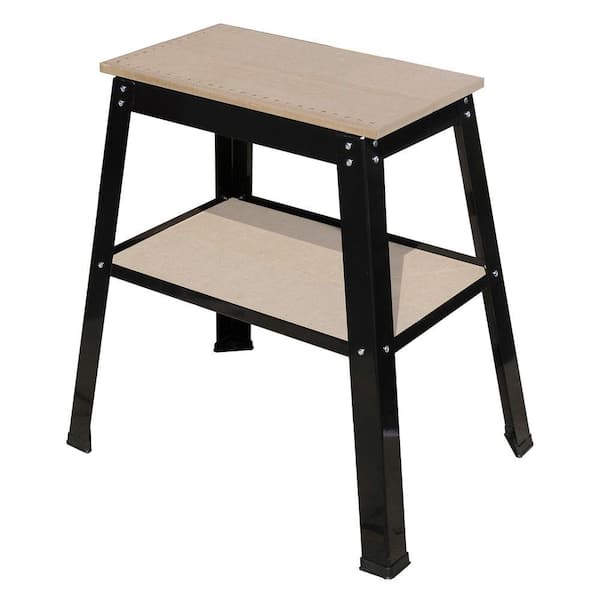
Is Your Desk Chair Holding You Back? Discover Why Stand-Up Desks Are the New Standard
In today's fast-paced world, the importance of maintaining an ergonomic workspace cannot be overstated. A traditional desk chair, while comfortable for short durations, can lead to a multitude of health issues if used for extended periods. Is your desk chair holding you back? Prolonged sitting has been linked to an increased risk of obesity, cardiovascular disease, and even certain types of cancer. Many professionals are now recognizing that a shift towards stand-up desks can vastly improve their overall well-being, productivity, and focus.
Stand-up desks offer numerous benefits that go beyond simply reducing back pain and discomfort. According to research, standing while working can boost energy levels, enhance mood, and increase collaboration among teams. Discover why stand-up desks are the new standard: they encourage movement, reduce sedentary time, and can even help burn more calories throughout the day. With adjustable options available, you can easily switch between sitting and standing, creating a more dynamic work environment tailored to your personal needs.
Counter-Strike is a highly popular first-person shooter game that has garnered a massive following since its release. Players can choose to be part of either the terrorist or counter-terrorist teams, engaging in various game modes that test their skills and strategies. For gamers seeking to optimize their experience, consider checking out the Top 10 macbook air accessories for enhanced performance and enjoyment.
The Battle of Ergonomics: Why Your Desk Chair Can't Compete with Standing Solutions
The Battle of Ergonomics has taken center stage in modern office environments, where traditional desk chairs face fierce competition from standing solutions. Desk chairs are often designed to provide comfort and support; however, prolonged sitting can lead to various health issues, including back pain, poor posture, and reduced productivity. In contrast, standing desks promote a more active workflow, allowing users to shift their weight, engage their core, and improve circulation. This transition to a standing position not only encourages better posture but also enhances energy levels, ultimately leading to a more dynamic working experience.
Research indicates that individuals who use standing solutions report increased alertness and focus throughout the day. Moreover, incorporating standing into your work routine can burn more calories compared to sitting for extended periods. However, it is essential to balance standing with regular movement breaks to avoid fatigue or discomfort. Investing in an adjustable standing desk can help users find their optimal height and encourage a mix of sitting and standing throughout the workday. As the Battle of Ergonomics continues, it becomes clear that embracing standing solutions may be the key to a healthier and more productive work environment.
Can a Stand-Up Desk Boost Your Productivity? Exploring the Benefits Over Traditional Chairs
In today's fast-paced work environment, the quest for improved productivity often leads individuals to explore innovative solutions. One such solution is the stand-up desk, which offers a compelling alternative to traditional chairs. Studies have shown that using a stand-up desk can lead to a variety of benefits, including enhanced energy levels and reduced fatigue. By allowing users to alternate between sitting and standing, these desks promote better circulation and encourage more movement throughout the day. This shift in posture can help diminish the adverse health effects linked to prolonged sitting, ultimately leading to a more vibrant and engaged work experience.
Moreover, many users report increased focus and concentration when working at a stand-up desk. The act of standing can trigger a boost in creativity and cognitive function, which is essential for tackling complex tasks. As a bonus, standing desks can serve as a subtle reminder to maintain good posture, further contributing to overall well-being. If you’re considering making the switch, here are a few key benefits to keep in mind:
- Increased energy levels
- Improved posture
- Enhanced focus and productivity
- Reduced risk of weight gain