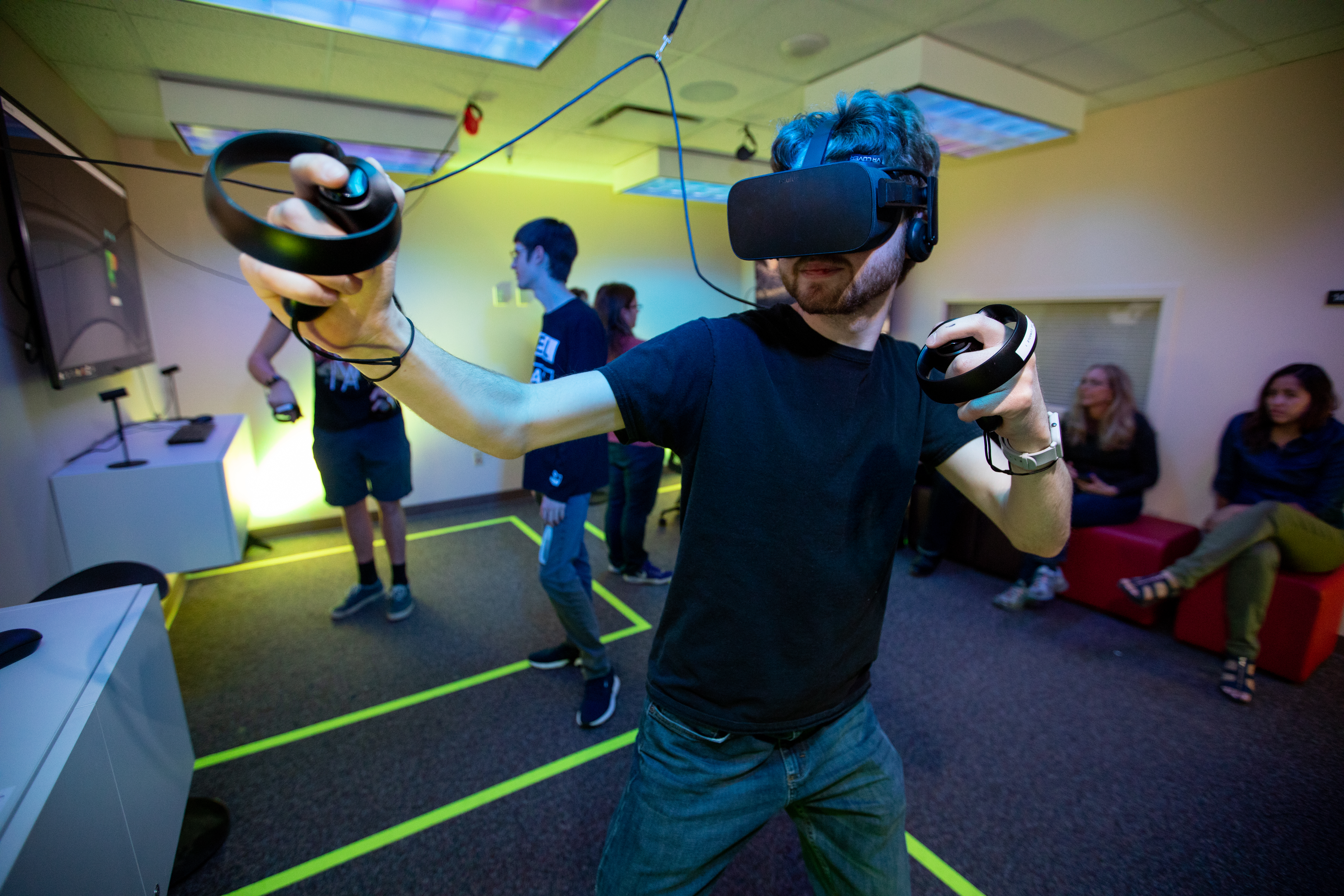
Exploring the Intersection of Virtual Reality and Daily Life: How VR is Shaping Our Future
The rise of Virtual Reality (VR) technology is revolutionizing our daily lives in profound ways. From immersive gaming experiences to practical applications in education and healthcare, VR is reshaping how we interact with the world around us. For instance, students can now explore ancient civilizations through realistic simulations, while surgeons practice complex procedures in a risk-free environment. This intersection of VR and daily life not only enhances learning and skill acquisition but also opens doors to new possibilities for personal growth and development.
As VR continues to evolve, its integration into daily routines becomes increasingly seamless. Imagine attending virtual meetings where you can interact with colleagues as if you were in the same room, or enjoying a concert from the comfort of your home, feeling as though you're part of the crowd. As we embrace these innovations, it's crucial to consider their implications on social interactions, mental health, and our overall well-being. The future will likely see a blending of physical and virtual environments, challenging us to adapt to these new dimensions of reality.
Counter-Strike is a highly popular tactical first-person shooter that has captivated gamers worldwide since its inception. Players engage in team-based gameplay, often divided into terrorists and counter-terrorists, with the objective of completing various missions or eliminating the opposing team. For gamers looking to enhance their experience, check out these Top 10 apple vision pro accessories that can elevate your gaming setup.
Top 5 Ways Virtual Reality is Transforming Everyday Activities
Virtual reality (VR) is rapidly redefining the way we engage with our daily activities, bringing immersive experiences to the forefront. One way it is transforming everyday life is through virtual shopping. With VR, consumers can explore virtual storefronts from the comfort of their homes, browse products, and even try them on virtually. This not only makes shopping more convenient but also enhances the overall experience, allowing users to interact with products in a simulated environment before making a purchase.
Another significant area where virtual reality is making a mark is in health and wellness. Many fitness programs now incorporate VR to offer engaging workouts that motivate users to stay active. For example, immersive games and guided workouts can transport individuals to stunning landscapes, making exercise feel less like a chore and more like an adventure. As VR technology evolves, its potential to revolutionize health and wellness activities becomes increasingly evident.
What are the Real-World Applications of VR Beyond Gaming?
Virtual Reality (VR) technology has transcended the realm of gaming, finding extensive applications across various industries. One significant area is in education, where VR creates immersive learning experiences that enhance student engagement and retention. For instance, historical events can be recreated in 3D environments, allowing students to explore ancient civilizations firsthand. Another notable application is in healthcare, where medical professionals utilize VR for surgical training and patient therapy. This technology provides a safe and controlled environment for doctors to practice complex procedures before operating on real patients.
Apart from education and healthcare, VR is making strides in real estate and tourism. By allowing users to take virtual tours of properties, potential buyers can explore homes without physical visits, saving time and resources. In the tourism industry, immersive VR experiences enable users to visit exotic locations from the comfort of their homes, stimulating interest and engagement. Furthermore, industries like manufacturing and architecture use VR for design simulations and prototyping, allowing for visual evaluation before production, ultimately leading to more efficient project outcomes.