5 Reasons Why USB-C Is the Future of Connectivity
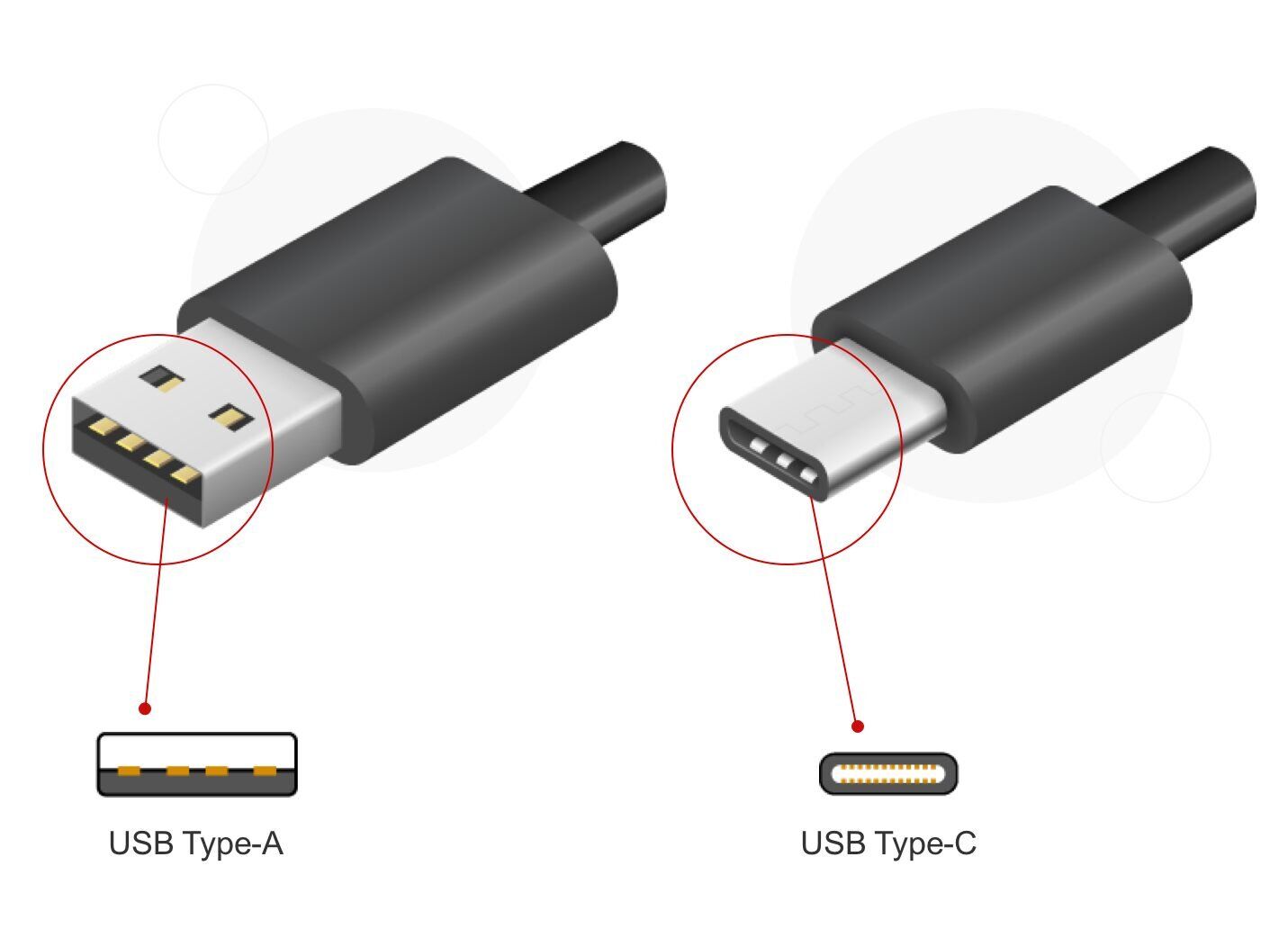
As technology evolves, USB-C has emerged as a revolutionary connector that offers significant advantages over its predecessors. First and foremost, its reversible design eliminates the frustration of plugging in a cable the wrong way. This user-friendly feature, combined with its high-speed data transfer capabilities, makes USB-C the perfect solution for a variety of devices, from smartphones to laptops. Secondly, the robust power delivery system allows for faster charging, enabling users to power their devices more efficiently.
Additionally, USB-C supports a wide array of protocols, including DisplayPort and Thunderbolt, allowing for seamless connectivity with various peripherals such as monitors and external hard drives. This versatility positions USB-C as a universal standard for connectivity in the near future. Lastly, adoption by leading tech companies, including Apple and Samsung, further cements its status as the standard for upcoming devices, ensuring that USB-C will play a pivotal role in the future landscape of technology.
Counter-Strike is a highly popular first-person shooter game that has captivated players since its inception. Known for its tactical gameplay and team-based strategies, it requires players to work together to complete objectives. For those looking to enhance their gaming experience, consider checking out the Top 10 MacBook Accessories for Office to improve your setup.
The Evolution of USB-C: How It Became the Universal Standard
The evolution of USB-C is a fascinating journey that has transformed how we connect our devices. What began as a simple means of transferring data and charging devices has now become the universal standard for connectivity. Initially introduced in 2014, USB-C quickly gained popularity due to its reversible connector, allowing users to plug it in either way, eliminating the frustration associated with traditional USB connectors. This innovation was not just a convenience; it also indicated a substantial leap in technology, enabling faster data transfer speeds and increased power delivery. As manufacturers began to adopt this standard, it became clear that USB-C was set to revolutionize the way we interact with technology.
Several factors contributed to the widespread adoption of USB-C as a universal standard. Firstly, it supports a variety of protocols, including Thunderbolt 3, DisplayPort, and HDMI, allowing for a single cable solution for multiple devices. This flexibility has made it an attractive option for consumers and manufacturers alike. Moreover, tech giants such as Apple, Google, and Microsoft embraced USB-C, further solidifying its status as the go-to connectivity option for laptops, smartphones, and peripherals. As a result, USB-C is not just a connector; it has paved the way for a more unified technological ecosystem, simplifying how we charge and connect our devices.
Is Your Device Ready for USB-C? A Guide to Compatibility
As technology continues to evolve, USB-C has become the new standard for connecting devices. Before making the switch, you may wonder, Is Your Device Ready for USB-C? For many consumers, the transition is straightforward. Most modern smartphones, laptops, and tablets now feature USB-C ports, but compatibility can vary across different brands and models. To determine if your device is ready, check the specifications provided by the manufacturer and look for USB-C logos. Additionally, ensure that your peripherals, such as chargers and cables, are compatible with the USB-C standard to avoid functionality issues.
If you’re still using older devices that employ USB-A or micro USB, adapting to USB-C may require some additional purchases. Here are a few tips to help with the transition:
- Check if your device supports USB Power Delivery (PD) for faster charging.
- Look for USB-C adapters that can convert older USB connections.
- Familiarize yourself with the various USB-C standards, such as USB 3.1 and USB 4.0, to ensure optimal performance.
By taking these steps, you can ensure a smooth transition to USB-C and take full advantage of its capabilities.