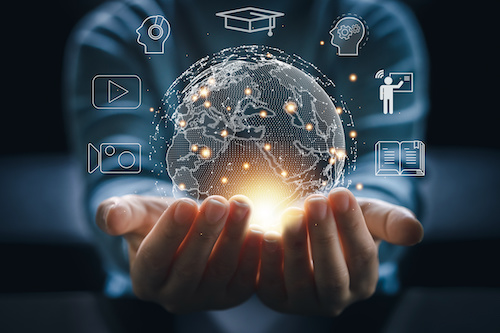
How Emerging Technologies Are Reshaping Our Daily Lives
As we navigate through the 21st century, emerging technologies are becoming an integral part of our daily routines, profoundly shaping how we communicate, work, and live. Innovations such as artificial intelligence, the Internet of Things (IoT), and blockchain are not merely buzzwords; they are actively transforming our experiences. For instance, smart home devices enable us to control our environment with ease, while AI-driven applications streamline tasks, making our lives more efficient. The impact of these technologies is noticeable in both personal and professional domains, highlighting the significant role they play in enhancing productivity and connectivity.
Moreover, the influence of emerging technologies extends to industries such as healthcare, education, and entertainment. Telemedicine allows patients to consult with doctors remotely, ensuring access to healthcare from the comfort of their homes. In the realm of education, online learning platforms have democratized access to knowledge, catering to diverse learning needs. Meanwhile, augmented reality (AR) and virtual reality (VR) are revolutionizing entertainment, providing immersive experiences that were once the stuff of science fiction. As we look towards the future, it is clear that embracing these advancements will be key to adapting to our rapidly evolving world.
Counter-Strike is a highly competitive first-person shooter game that has captured the hearts of gamers around the world. Players can engage in various modes, including bomb defusal and hostage rescue, while employing strategy and teamwork to achieve victory. For those looking to enhance their gaming experience while traveling, check out the Top 10 travel tech accessories that can help any gamer stay connected on the go.
5 Ways to Tackle Tech Overload in a Digital World
In today's fast-paced digital world, many individuals experience tech overload, leading to decreased productivity and increased anxiety. To combat this phenomenon, it's essential to implement strategies that promote a healthier relationship with technology. Here are five ways that can help you tackle tech overload:
- Set Boundaries: Establish clear boundaries by designating tech-free times during your day. This could involve having dinner without devices or setting aside an hour before bed to unwind sans screens.
- Use Productivity Tools: Leverage apps that help promote focus and minimize distractions, such as website blockers or the Pomodoro Technique.
- Declutter Your Digital Space: Regularly clean up your email inbox and unsubscribe from unnecessary notifications to reduce the amount of information vying for your attention.
- Prioritize Mental Breaks: Schedule regular breaks to step away from screens, allowing your mind to recharge. This habit can significantly improve your overall well-being.
- Practice Mindfulness: Incorporate mindfulness exercises into your daily routine. Techniques like meditation or deep breathing can help ground you amidst the digital chaos.
Is Your Smart Home Making Life Easier or More Complicated?
Smart home technology has revolutionized the way we interact with our living spaces, offering enhanced convenience and efficiency. From smart thermostats that learn your temperature preferences to voice-activated assistants that manage your daily tasks, these innovations can significantly streamline your daily routine. However, with numerous devices interconnected through the Internet of Things (IoT), some users find themselves grappling with a complex web of controls and settings. Instead of bringing simplicity, this technology can sometimes lead to frustration, as individuals navigate various apps and interfaces.
Moreover, smart home devices often require regular updates and maintenance to ensure security and functionality. As a result, the initial allure of effortless living can give way to a more complicated experience when faced with connectivity issues or compatibility problems between devices. To truly assess whether your smart home is making life easier or more complicated, consider the specific benefits you gain against the potential inconveniences. Ultimately, striking a balance between high-tech solutions and personal preferences is key to an enjoyable smart home experience.