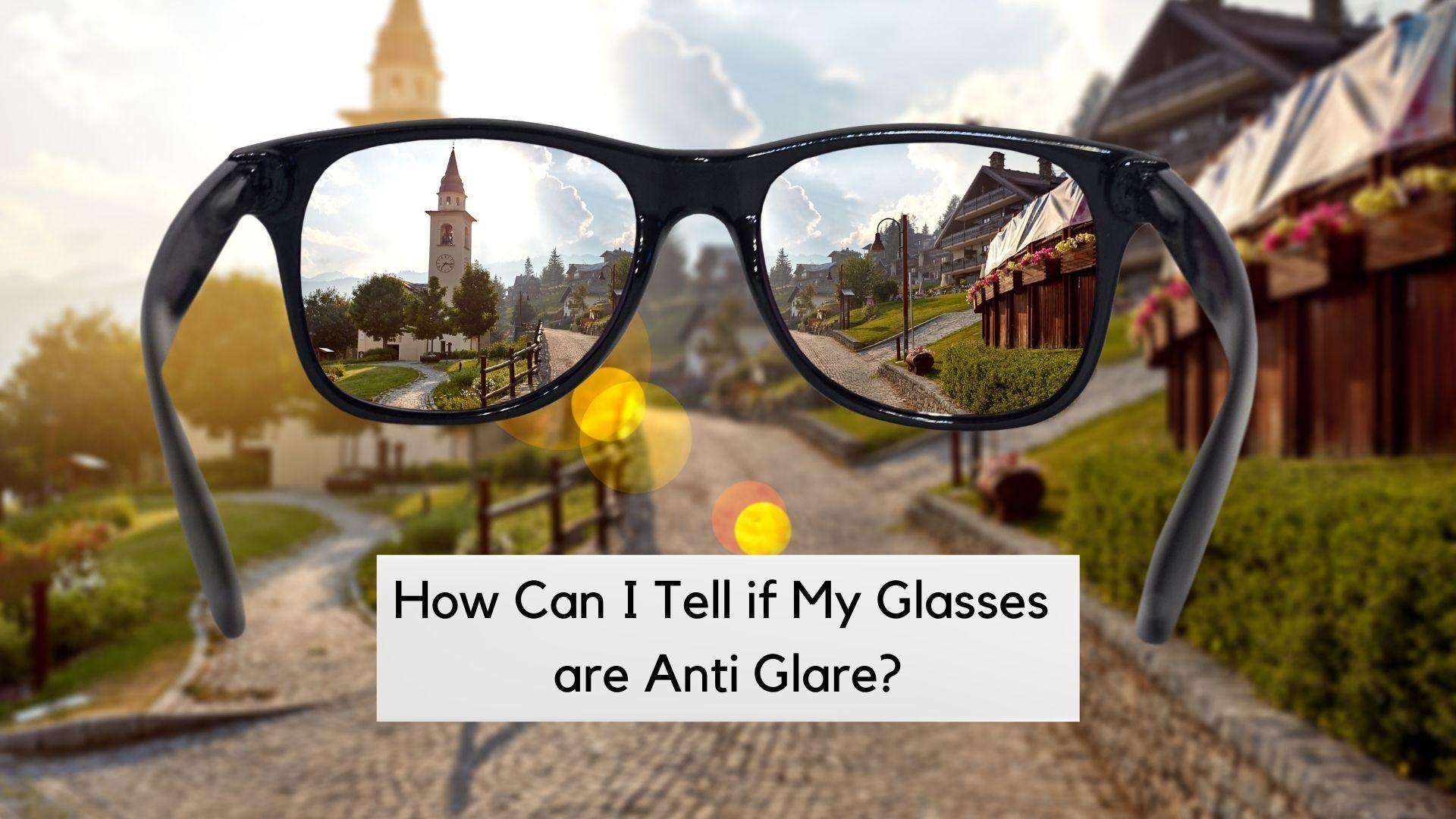
The Science Behind Anti-Glare Technology: How It Works
Anti-glare technology is a fascinating blend of physics and engineering designed to enhance visual comfort. This technology primarily works by manipulating the way light interacts with surfaces. Anti-glare screens and coatings are typically treated with specific materials that either diffuse light or absorb it, reducing reflections and glare. The most common methods include matte finishes that scatter light and specialized coatings that reflect only targeted wavelengths. By minimizing distracting reflections, these technologies allow users to enjoy clearer visibility, especially in bright environments.
To understand the mechanics behind anti-glare technology, it's essential to consider the role of light polarization. Many anti-glare solutions utilize polarized lenses or coatings that filter out certain orientations of light waves, effectively reducing glare from sources such as sunlight or overhead lights. This polarization can lead to significant improvements in visual clarity and comfort, especially for individuals who spend long hours in front of screens or under bright lighting. Overall, the science of anti-glare technology continues to evolve, with ongoing advancements enabling even better performance in a variety of settings.
Counter-Strike is a popular team-based first-person shooter game that has captivated players around the world since its release. The game pits terrorists against counter-terrorists in a variety of multiplayer scenarios, where teamwork and strategy are crucial for success. For players looking to enhance their gaming experience, checking out the Top 10 paperlike screen protectors can be a great way to improve screen clarity and touch responsiveness.
Benefits of Anti-Glare Lenses: Are They Worth It?
Anti-glare lenses are designed to reduce reflections and improve visual clarity by allowing more light to pass through the lens. One of the primary benefits of these lenses is their ability to enhance comfort during prolonged screen time, whether you are working on a computer or using a mobile device. With reduced glare, users often experience less eye strain, making it easier to focus on tasks for extended periods. Additionally, these lenses are particularly beneficial for those who drive at night or in bright sunlight, as they minimize the glare from headlights and the sun, leading to improved visibility and safety.
Another significant advantage of anti-glare lenses is their protective feature. By eliminating harsh reflections, these lenses help to reduce the amount of blue light that reaches your eyes, potentially lowering the risk of digital eye strain and fatigue associated with excessive screen usage. Many users also report better color perception and sharpness while wearing these lenses, which can enhance overall visual quality. Given their multifaceted benefits, investing in anti-glare lenses is often worth it for anyone seeking a more comfortable and clearer visual experience.
Is Squinting Affecting Your Eye Health? Find Out Here
Is squinting affecting your eye health? This question is crucial for anyone who experiences visual discomfort. Squinting occurs when the eyelids partially close to focus on an object, typically to reduce glare or enhance clarity. While it might seem like a natural response, consistent squinting can signal underlying issues such as refractive errors, like nearsightedness or farsightedness. Over time, excessive squinting may lead to fatigue in the eye muscles and could strain your vision, potentially worsening your eye health.
Ignoring persistent squinting can also mask serious conditions. For instance, dry eyes, astigmatism, and even more severe issues like cataracts may be at play. If you find yourself squinting often, it's essential to consult an eye care professional. Regular eye exams can ensure your vision remains sharp and help detect any underlying health issues early on. Remember, prioritizing your eye health can prevent complications down the road, so don’t hesitate to seek help if you notice a pattern of squinting.