Understanding Ergonomics: Key Principles for Spine Health
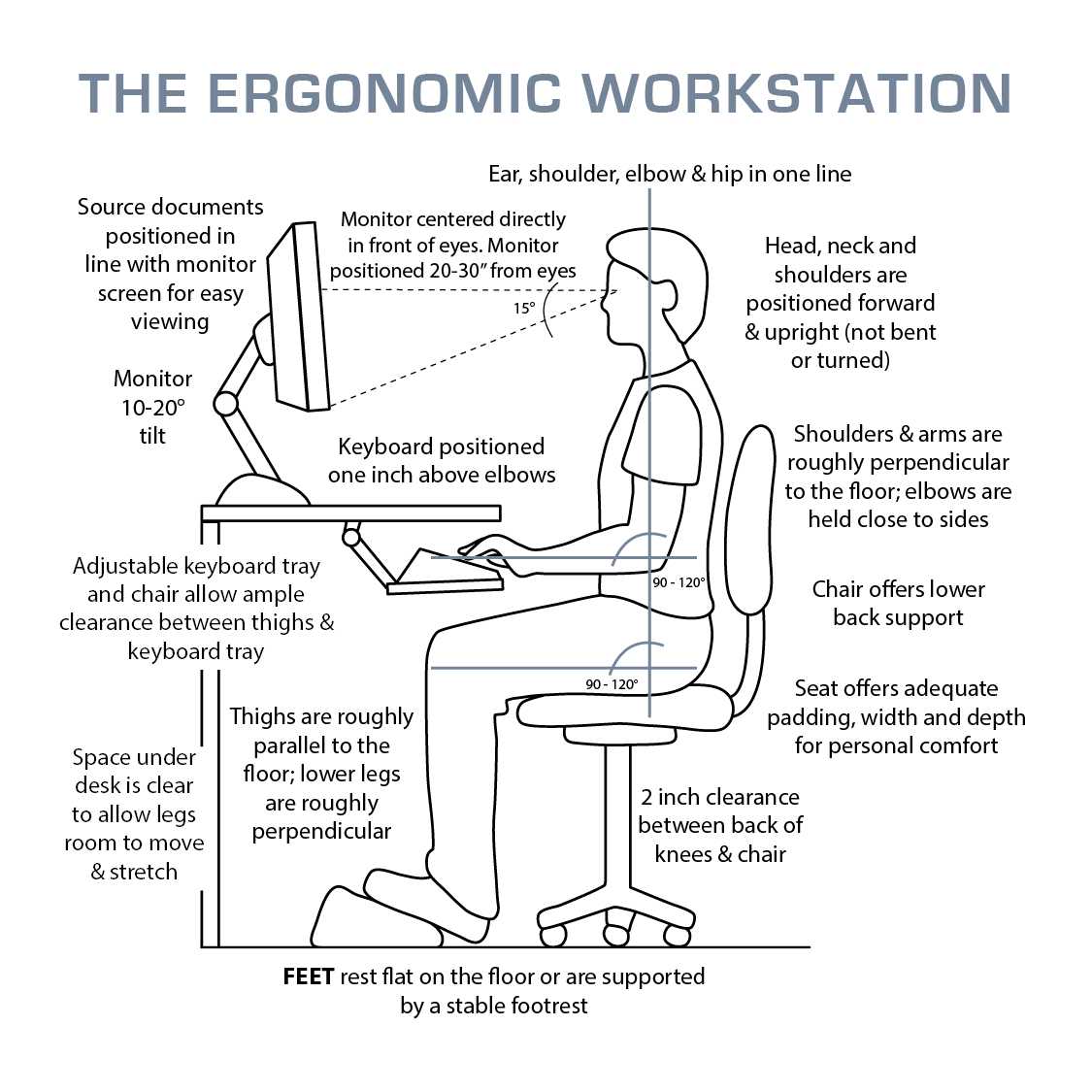
Understanding ergonomics is crucial for maintaining optimal spine health, especially in our increasingly sedentary lifestyles. The key principles of ergonomics focus on designing workspaces and tools that align with the natural movements and postures of the human body. For instance, ensuring that your chair supports the natural curve of your spine can prevent slouching and reduce strain on your back muscles. Additionally, arranging your workstation so that your computer screen is at eye level can help minimize neck and shoulder discomfort.
To grasp the full scope of ergonomics, it's essential to implement practices that promote spine health. Here are a few essential tips:
- Choose a chair with adjustable height and lumbar support.
- Maintain a neutral wrist position while typing to avoid repetitive strain injuries.
- Take regular breaks to stretch and move, reducing prolonged pressure on your spine.
By incorporating these principles into your daily routine, you can enhance your work experience while protecting your spine from unnecessary strain.
Counter-Strike is a highly popular first-person shooter game that has captivated millions of players around the world. The gameplay involves teamwork and strategy as players take on the roles of terrorists or counter-terrorists in various scenarios. To enhance your gaming experience, consider exploring the Top 10 Desk Accessories for Productivity, which can help create an optimal setup for long gaming sessions.
10 Easy Ergonomic Tips to Prevent Back Pain
Back pain can be a debilitating condition, but implementing some simple ergonomic tips can significantly reduce your risk. One of the first steps is to adjust your workspace so that your chair provides strong lumbar support. Make sure your feet are flat on the floor or on a footrest, and that your knees are at a right angle to avoid strain on your lower back. Position your computer monitor at eye level to prevent bending your neck forward, which can lead to discomfort over time.
In addition to workspace adjustments, take frequent breaks to stretch and move around. Even a brief walk every hour can alleviate pressure from prolonged sitting. Consider integrating ergonomic tools such as a chair that encourages proper posture or a standing desk to promote better alignment. Lastly, practice good lifting techniques by bending at your knees instead of your back, which can help prevent injury during physical tasks.
Is Your Workspace Hurting Your Spine? Signs You Need an Ergonomic Overhaul
In today's fast-paced work environment, many individuals find themselves spending countless hours in front of a computer. This can put significant strain on your spine, leading to discomfort and long-term issues. Signs that your workspace may be hurting your spine include persistent back pain, neck stiffness, and even headaches. If you frequently shift in your chair or find yourself slouching at your desk, it may be time to reassess your workstation layout. Consider incorporating a height-adjustable desk or an ergonomic chair that supports your natural posture.
Additionally, take a moment to evaluate your computer monitor's position. Ideally, the top of your screen should be at or slightly below eye level, preventing neck strain. Ergonomic principles advocate for a workspace that promotes healthy alignment, which can significantly enhance your overall well-being. If you notice any of the following symptoms, it could indicate the need for an ergonomic overhaul:
- Chronic pain in the lumbar region
- Frequent discomfort in shoulders and arms
- Fatigue after short work periods
By addressing these concerns, you can create a more comfortable and productive workspace, ultimately benefiting both your spine and your work performance.