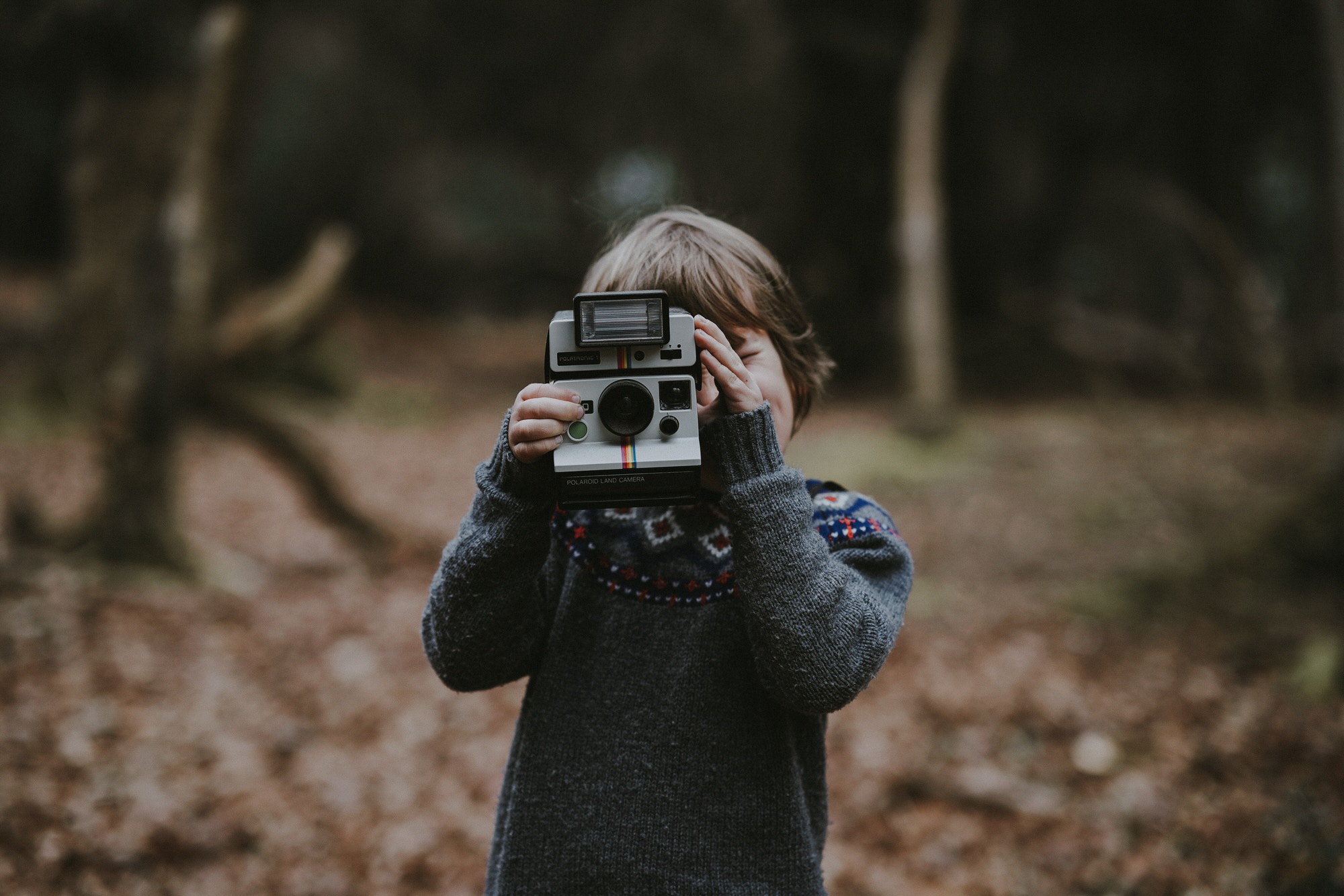
The Evolution of Photography: From Film to Digital Diaries
The world of photography has undergone a remarkable transformation over the decades, evolving from the traditional film cameras that once dominated the scene to the advanced digital formats we embrace today. In the early days, photographers relied on analog methods, capturing moments on strips of film that required meticulous development processes. This nostalgic journey began in the 19th century with pioneers like Luigi Federico Federico, leading to the introduction of color film in the 1930s. As technology progressed, those hefty cameras transitioned into compact 35mm formats, making photography accessible to millions around the globe.
The emergence of digital cameras in the late 20th century marked a pivotal shift in the photography landscape. As these devices began to replace their film counterparts, the advantages became evident: instant viewing, countless shots without the need for development, and the ease of editing. Today, most people carry high-quality cameras within their smartphones, enabling everyone to document their lives in real-time. This evolution culminates in what we now refer to as digital diaries, where memories are captured, shared, and preserved at the click of a button, creating a culture that favors immediacy and accessibility in photography.
Counter-Strike is a popular tactical first-person shooter game that emphasizes teamwork and strategy. Players join either the Terrorist or Counter-Terrorist team, engaging in various game modes where they complete objectives, such as bomb defusal or hostage rescue. For those interested in enhancing their mobile photography, check out the Top 10 iphone photography accessories to elevate your shots while playing on-the-go.
Capturing Moments: How Social Media Transformed Our Memories
In today's digital age, the way we capture and share our memories has undergone a significant transformation, thanks to social media. Platforms like Instagram, Facebook, and Snapchat allow us to instantly document moments, big or small, and share them with friends and family around the globe. This accessibility has not only changed how we remember these events, but has also fostered a culture where every significant occasion—from birthdays to spontaneous nights out—is meticulously curated and broadcasted. Social media serves as both a scrapbook and a gallery, providing users with a platform to celebrate their lives and keep their memories alive in a visually engaging manner.
Furthermore, the impact of social media on memory is profound. Studies suggest that the act of posting photos online can enhance our recollection of those moments, creating a digital timeline of our lives. This phenomenon introduces both benefits and challenges—while we can relive experiences through shared photos and videos, there is also a risk of diminishing the authenticity of these moments as we become increasingly focused on the digital representation of our lives. As we navigate this new reality, it is essential to strike a balance between capturing and enjoying the moment, ensuring that while social media helps us preserve our memories, it doesn’t overshadow the joy of experiencing them firsthand.
Is Your Phone the New Diary? The Role of Photography in Modern Storytelling
In the digital age, our smartphones have evolved into more than just communication tools; they have become our primary means of capturing and sharing memories. Photography plays a crucial role in this transformation, allowing us to document our lives and experiences instantaneously. Unlike traditional diaries that require writing, our phones enable us to visually tell a story with a simple click of a button. Everyday moments, from a coffee with friends to breathtaking sunsets, can be immortalized through photographs, providing a rich narrative that words alone may not convey. This shift signifies a new chapter in modern storytelling, where images often speak louder than words.
Moreover, the accessibility of photography on smartphones has democratized storytelling, allowing everyone to become a storyteller in their own right. With a few taps on a screen, anyone can share their unique perspectives and experiences with a global audience. This is especially evident on social media platforms where photography and storytelling intersect. Photographic content often garners more engagement than text-based posts, highlighting the importance of photography in attracting attention and generating conversations. Ultimately, as we navigate through our lives with our phones, we are not just capturing moments; we are crafting narratives that reflect our identities and the world around us.